Finding the CapCut template can turn a collection of ordinary clips into a polished short-form video in just a few minutes.. With thousands of templates circulating across TikTok, Instagram and CapCut itself choosing one that actually fits your content can be harder than it looks.
The best CapCut templates aren’t necessarily the ones with the users or the biggest viral numbers. A template might be trending today. Feel completely outdated a few weeks later. Another might have users but provide exactly the pacing, transitions and visual style your content needs.
That distinction matters if you’re trying to create videos that look professional without making every project feel like a copy of someone Work.Instead of choosing a template simply because it is popular, you can learn how to find the best CapCut templates for your particular style.
In this guide we’ll explore how to find the templates for different types of content, where to discover CapCut trending templates how to make free templates look more professional and how to customize them so your finished video still feels like your own creation.
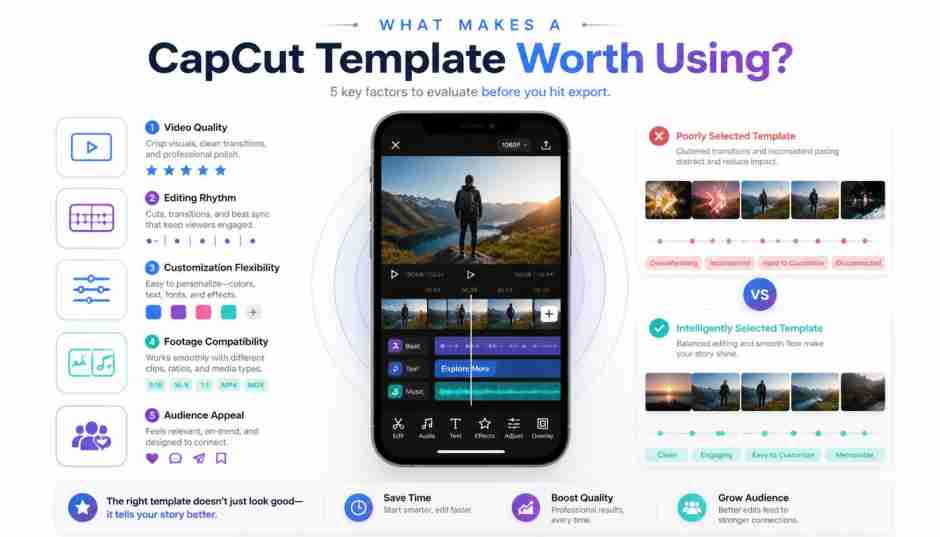
What Makes a CapCut Template Worth Using?
A good template does more than add transitions between clips. It provides a structure that helps your footage tell a story.
Think about a travel video. You might have dozens of clips from a trip. Simply placing them one after another doesn’t necessarily create an engaging video. A best capcut template can establish a rhythm introduce your destination build toward the most memorable moment and finish with a satisfying visual ending.
The same principle applies to a product video, fitness reel, gaming montage wedding highlight or personal vlog.
This is why popularity alone shouldn’t determine your choice. When evaluating a template look at how its timing works with your footage. Pay attention to the number of clips it requires the pace of its transitions the way text is positioned and whether its visual style matches the mood you’re trying to create.
A template that looks impressive in someone Video may be completely wrong for yours.
Templates Have Changed the Way Beginners Edit
Traditional video editing can be intimidating when you’re starting out. Even a simple 15-second Reel can involve cutting clips synchronizing music creating transitions adding text adjusting speed and making dozens of small decisions about timing.
Best Capcut Templates reduce much of that complexity.
Of opening an empty timeline and asking yourself where to begin you start with an established editing structure. Your job becomes more focused on choosing the footage and adapting the design to your idea.
That doesn’t mean templates eliminate the need for creativity. In fact they can give beginners room to experiment. Once you understand how a template is structured you can start noticing why certain transitions work how clips are timed to music and how text is introduced without interrupting the story.
For beginners, the best CapCut templates can remove much of the technical complexity involved in creating polished short-form videos.
Why Trending capcut templates Doesn’t Always Mean Better
There’s a difference between a trending CapCut template and the right CapCut template.
A trending design may have thousands of users because it works well with a popular sound or current social media trend. That’s useful if you’re intentionally creating trend-based content.. Popularity doesn’t automatically make the template suitable for every niche.
Imagine you’re creating an educational video. A fast template designed around flashes and beat drops might be popular but those effects could make your information harder to follow. A simpler template with typography and controlled transitions would probably produce a better result.
The goal isn’t to avoid trends. It’s to understand when they actually serve your content.
A good creator knows when to follow a trend, when to modify it and when to ignore it completely.
The Real Advantage of Best CapCut Templates
The benefit isn’t simply that templates make editing faster. It’s that they reduce work.
If you’re creating content regularly you don’t need to rebuild the basic editing structure every time. You can start with a template replace the sample media adjust the text refine the colors and concentrate on what makes the new video different.
For a creator publishing videos each week those saved minutes can add up quickly.
Importantly the time saved can be redirected toward things that matter more: recording better footage researching ideas writing stronger hooks or understanding what your audience actually wants to watch.
This is what separates the best CapCut templates from designs that simply look impressive in a preview.
The Best Template Is the One That Fits Your Story
It’s tempting to browse the template library by popularity and choose whatever looks impressive. A better approach is to start with your video idea.
If you’re creating a travel montage look for a design that gives your landscape and movement enough room to breathe. If you’re making a fashion Reel you may want transitions and strong beat synchronization. For a business video excessive effects can make the content look less professional while clean typography and controlled movement may work better.
The template should support the footage.
That is a rule but it prevents one of the most common problems with template-based editing: letting the template become more important than the content itself.
When viewers finish your video you want them to remember the story, product, experience or idea—not the transition effect you used.
A Template Is a Starting Point, Not a Finished Video
This is perhaps the important idea to keep in mind throughout this guide.
Even the best CapCut templates are shared by creators. If you download a template replace the sample clips with your footage and immediately export it without making any meaningful changes there’s a good chance your video will look familiar.
That isn’t necessarily a problem for content.. If you’re building a personal brand, business account or long-term social media presence customization becomes much more important.
Changing the text choosing footage adjusting the timing replacing the music modifying the colors and adding your own visual identity can transform the same template into something that feels completely different.
The template gives you the framework.
Your creative decisions create the video.
A Better Way to Browse CapCut Templates
Opening CapCut and scrolling through hundreds of templates can quickly become overwhelming. New designs appear constantly popular templates move up and down the rankings and a style that looks impressive in a preview may not work all with your own footage.
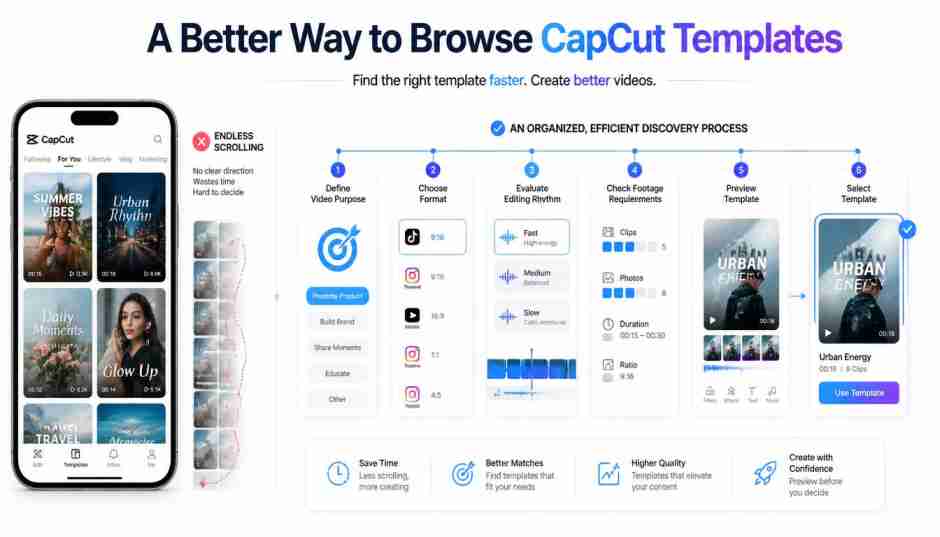
Of browsing without a plan start with the video you want to create.
Suppose you have recorded a travel montage. You already know that you want something visual and slightly cinematic. Searching randomly for ” templates” gives you an enormous number of possibilities. Searching with a purpose makes the process much easier. You’re looking for a template that can handle landscape shots, movement, short clips and a few text overlays.
That small change in approach can save an amount of time.
Start With the Format, Not the Trend
Before looking for a template consider where the video will be published.
TikTok, Instagram Reels and YouTube Shorts all support form vertical content but the way people consume content on each platform can differ. A fast music-driven template may be appropriate for entertainment content while an educational Short may need breathing room for captions and explanations.
Your videos format also affects the footage you should choose. A template built around portrait photography won’t necessarily produce results if most of your source material was recorded horizontally.
This is why experienced creators don’t begin with the question “Whats trending?”
They begin with “What am I trying to make?”
Once that is clear finding a template becomes much easier.
Look at the Editing Rhythm
The preview can tell you more than whether a template looks attractive.
Watch how quickly the scenes change. Notice whether the transitions happen on every beat or at important moments. Pay attention to how long text remains on screen and whether there is time to understand it.
This matters because your footage has its natural rhythm.
A slow walking shot for example may look beautiful in a template but feel awkward inside an extremely fast beat-sync edit. Likewise a sports highlight may lose its energy if you place it inside a template designed for lifestyle footage. The visual style should match the movement of your clips.
Check How Footage the Template Needs
Another useful detail is the number of media slots.
Some templates are built around three or four clips. Others may require ten, twenty or even more.
Neither approach is automatically better.
A short template can work beautifully for an announcement or quick Reel. A longer design might be more appropriate for a travel recap, wedding montage or collection of product images.
Before selecting a template think about the footage you already have. If you only recorded six clips choosing a template that expects 18 different shots will probably create more work than it saves.
Don’t Judge a Template by the Preview Alone
Template previews are designed to look appealing. They often use selected footage, attractive subjects and music that perfectly matches the transitions.
Your own footage may produce a different result.
This is particularly important when exploring CapCut trending templates. A template may look incredible with the creators footage but feel completely different when you insert your own clips.
Look beyond the sample content. Study the underlying structure.
Ask yourself whether your footage can realistically reproduce the sense of movement, timing and visual balance.
That’s a better test, than simply asking whether the preview looks cool.
Watch for Templates That Are Already Oversaturated
A template can become so popular that using it no longer feels fresh.
There’s nothing with using a viral template. Trends can be helpful especially when you are intentionally joining a social media format. The issue comes when a template has been used much that people immediately recognize it.
This is where new CapCut templates can be helpful.
Newer designs might offer you an editing idea without the same level of overuse. You can also take ideas from a template and look for a less-used version with a different transition, music or visual style.
You don’t always have to be the first to find an idea. Sometimes being a little different from everyone is enough.
Build Your Template Library
Once you find templates that consistently work for your content save them.
Over time you can create a set organized around the types of videos you make. You might have one group for promotional videos, another for travel content another for photo-based posts and another for quick educational clips.
This changes the editing process completely.
Of starting each project by searching through the entire template library you have a smaller group of proven options. You can still try designs but you’re not depending on what is trending that day.
That balance between templates and new ideas is more sustainable than always chasing viral designs.
Think Like an Editor, Not a Template Hunter
The best way to think is to stop seeing templates as things you need to collect.
You are looking for editing structures that solve problems.
One template might help you match photos with music. Another might help you show a before-and-after change. A third might give you a way to introduce a product.
Once you start looking at templates this way their value becomes clearer.
You’re not asking which template is the best. You’re asking which one is best for this video.
That difference becomes even more important when choosing between different CapCut free templates because the right free option can sometimes do better than a more complex design simply because it matches the content better.
CapCut Templates by Content Type: Choosing a Style That Fits
There is no one template that works for every creator. A design that looks perfect for a travel video can feel wrong in a business video while a clean educational template might not have the energy needed for a gaming video.
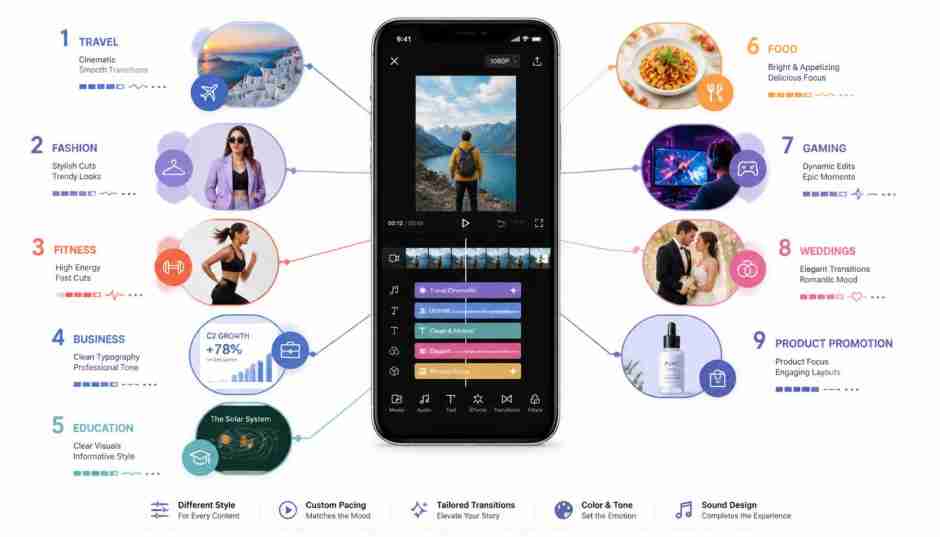
That is why searching by content type is often better than searching by popularity. Once you know what your video is trying to say you can narrow your choices. Find a template that works with the footage instead of against it.
1. Travel and Vacation Videos
Travel content works best with templates that give your footage space to shine.
Scenic shots, city walks, food experiences and quick clips from places can work well with cinematic transitions and music-synchronized edits. A good travel template should create a sense of movement without making every scene too complicated.
For a vacation Reel you might combine an opening shot of the destination with smaller clips showing food, people, activities and memorable spots. The template should link those moments smoothly of making the video feel like a random collection of clips.
If your footage has landscapes avoid templates that change scenes too quickly. Sometimes letting a great shot stay on screen for a bit more creates impact than adding another transition.
2. Fashion and Lifestyle Content
Fashion creators often need templates that highlight presentation.
A strong design can help match changes close-ups, accessories, locations and movement with the music. Templates with zooms beat-based transitions and subtle motion effects can work well here.
However fashion content can quickly become too busy. If the clothes are the focus many effects may actually take away from the presentation.
This is one case where a simple template can do better than an one.
3. Fitness and Workout Videos
Fitness content usually benefits from energy and speed.
Fast transitions can work well for workout routines transformation videos, gym clips and motivational content. A template that matches clips with a beat can make repetitive movements feel more exciting.
Timing still matters.
If you are explaining an exercise the viewer needs time to understand the movement. In that case a slower template with text may be better than one of the fastest trending CapCut templates.
The purpose of the video should decide the speed of the editing.
4. Business and Professional Videos
Professional content needs an approach. If you are making a company announcement, product presentation, service promotion or LinkedIn-style video flashy transitions are not always the choice. Clean text, controlled motion and consistent branding usually create a message.
A good business template should make the information easier to understand, not compete with it.
For example a product video might start with the product show its benefit with text show it being used and end with a simple call to action. The editing should support that flow without distracting the viewer.
5. Educational and Tutorial Content
Educational videos need clarity above all.
When someone watches a tutorial they are not there to see transitions. They are there to learn.
For this type of content look for templates with text, simple animations and enough time for viewers to take in important details.
You can still use CapCut templates and trendy designs but use them carefully. A stylish transition is only useful if it does not interrupt the explanation.
Captions can also help because many people watch educational videos without sound.
6. Food and Recipe Videos
Food content is very visual which makes it naturally suited to template-based editing.
Close-up shots of ingredients, preparation, cooking and the final dish can be arranged into a flow. Quick cuts work well when showing steps of a recipe while slower transitions can help highlight the finished product.
The best food videos usually make the viewer feel as if they are moving through the cooking process.
Of picking a template just because it has nice transitions look for one that helps you build that journey naturally.
7. Gaming Content
Gaming videos often need a different visual style.
Fast cuts, dramatic transitions, sound effects, zooms and synced effects can work well for highlights, moments, wins and reaction clips.
The challenge is not to overload the viewer.
If every kill, score or action has an effect the viewer may have trouble following what is happening. A good gaming template creates excitement while keeping the action clear.
8. Wedding and Event Videos
Events like weddings, birthdays, graduations and anniversaries often benefit from editing.
Soft transitions, text, carefully chosen music and slower pacing can help protect the emotional feel of the footage.
A template that works for a TikTok trend may not be right for a wedding highlight even if it is currently very popular.
For content the footage itself should be the main focus.
9. Product and Promotional Videos
Templates can also help small businesses and creators show products without starting from scratch.
A simple structure could introduce the product show its feature demonstrate it in use and end with a clear message.
Here customization becomes very important. Your colors, logo, product photos, text and message should make the video feel like your brand.
Using CapCut templates doesn’t mean your final video has to look the same as everyone elses.
10. The Key Is Matching Energy With Purpose
The examples above show an idea: different content needs different editing styles.
A travel video might need a pace. A workout video might need speed. An educational video needs clarity. A business video needs professionalism. A wedding video needs emotion.
That is why the search for the CapCut templates should not start with popularity.
Start with your content.
Once you know what the viewer should feel, learn or do after watching your video the right template becomes much easier to find.
How to Turn a CapCut Template Into Your Own Editing Style
Finding a template can give you a strong start but the real creativity comes after you pick it. If you just replace the sample clips and export the project your video may look good. It can still feel like everyone elses.The creators who get the most from templates use them differently. They take the structure then shape it around their clips, personality and brand.
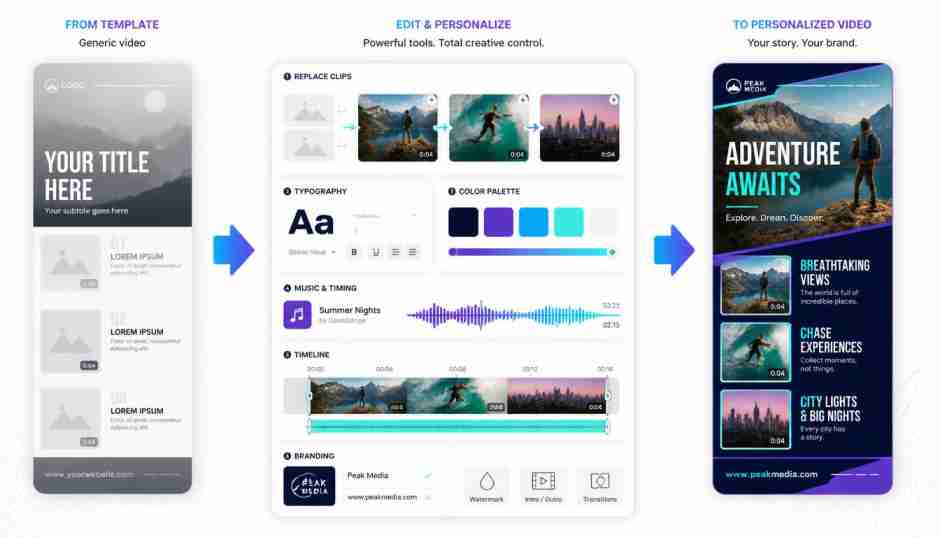
Start With Your Best Footage
Don’t choose clips just because they fit the templates placeholders.
Look at your footage first. Find the moments that really matter. A facial expression, a landscape, a product detail or a perfect action can be more important, than a technically perfect clip that adds nothing to the story.
Once you have the material find a template that works with it.
This changes the process. Of asking, “Which clips can I fit into this template?” you ask, “Which template can make these clips look best?”
That small change can make your videos feel much more planned.
Don’t Be Afraid to Break the Templates Pattern
Templates suggest a sequence but you don’t have to follow it
If the template changes scenes every second but your best shot deserves two seconds let it stay longer. If a transition feels unnecessary replace it. If the ending doesn’t match your story create your ending.
The template should serve the content.
This is especially useful with trending templates, where thousands of creators may be following exactly the same sequence. Changing the pacing or rearranging the story can immediately give your version an identity.
Replace Generic Text With Something Specific
One of the easiest ways to personalize the best CapCut templates is to replace generic placeholder text.
A template might contain a phrase such as “Summer Memories” or “My Day.” There’s nothing with that but specific wording can make the video much more engaging.
Of:
“A day in my life”
You might write:
“What a 12-hour shift actually looks like”
Instead of:
“Travel Diary”
Try:
“48 hours exploring Lahore”
The second version gives viewers a reason to care. It tells them what they’re about to see.
Create Consistency Across Your Videos
If you’re using templates regularly don’t let every video develop a different visual identity.
You can create consistency by keeping elements familiar. Perhaps you always use the caption font, a particular color combination or a recognizable opening style.
The template can change while those signature elements remain.
This is especially valuable for creators building a brand. Viewers gradually become familiar with your language even when you’re experimenting with different new CapCut templates.
Use Music Strategically
Music can completely change how the same footage feels.
A fast electronic track can turn a montage into something energetic. A softer instrumental can make identical footage feel cinematic or emotional.
If the templates original soundtrack doesn’t fit your content don’t be afraid to replace it. Just remember that the timing of the template may have been designed around that particular track.
After changing the music watch the video again. You may need to adjust a clips so the important moments still land naturally on the beat.
Keep Effects Under Control
One of the ways to make a template-based video look amateurish is to keep adding effects simply because they’re available.
More isn’t always better.
If the template already provides transitions, motion and text animation additional effects may create visual noise. Your goal should be to make each effect contribute something to the story.
A simple zoom can emphasize a detail. A transition can connect two scenes. A subtle text animation can direct attention toward information.
When an effect has no purpose removing it is often the better decision.
Develop a Template Collection Around Your Style
Eventually you may notice that certain types of templates consistently work better for you.
Perhaps you prefer designs with clean typography. Maybe your content works better with beat-sync edits.. Perhaps cinematic templates suit your storytelling style.
Save the designs that consistently produce results.
Over time, you can build a personal collection of the best CapCut templates for different types of content. This makes editing because you’re no longer experimenting blindly with every project.
You can still explore trending options. You’ll have a reliable foundation to return to.
The Template Shouldn’t Be the Star
There’s a test you can apply before publishing.
Watch the video and ask yourself:
If someone removed the templates transitions would the content still be interesting?
If the answer is yes you’ve probably created something
If the answer is no the video may be relying heavily on visual effects rather than the quality of its story or footage.
The effective template-based videos don’t make viewers think about the template at all. They simply experience a paced visually coherent piece of content.
That’s the goal when using the best CapCut templates: not to make your video look like a template but to use the template so effectively that it feels like you edited everything yourself from scratch.
Finding the Best CapCut Templates Without Chasing Every Trend
The CapCut template library changes quickly that trying to follow every new release can become a full-time job. A template can be everywhere on media today and almost forgotten a few weeks later. For creators who want results the smarter approach is to build a system for finding useful templates rather than constantly chasing whatever happens to be viral.
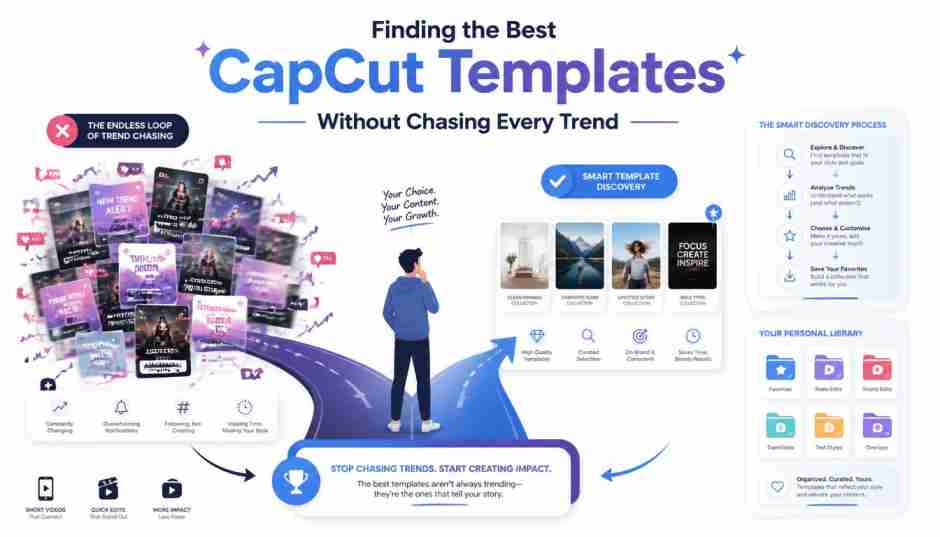
The goal isn’t to discover every template. It’s to discover the templates at the right time.
A. Start Inside CapCut
CapCut’s own library is often the first place to look when you’re searching for the best CapCut templates. The templates you see can vary according to trends your region, the type of content being promoted and what is gaining attention on the platform.
Spend a few minutes exploring the template area of immediately choosing the first popular design.
Look at the preview. Study how the template is actually constructed. A template with thousands of uses isn’t necessarily better than one with an audience. Sometimes a popular design gives you a cleaner starting point and more room to create something original.
Pay attention to templates that have a strong visual structure without relying on excessive effects. These tend to remain useful after the original trend disappears.
B. Use TikTok to Spot Emerging Styles
TikTok can be particularly useful when you’re looking for CapCut trending templates.
Than searching only for the name of a specific template watch for editing patterns that repeatedly appear in videos. You might notice the transition sequence, music-driven cuts, text animation or photo arrangement appearing across different creators.
When a particular style begins appearing investigate whether a CapCut template is behind it.
This approach is more valuable than copying a viral video because you’re learning to recognize the editing pattern itself. Once you understand that pattern you can adapt it to your niche.
C. Instagram Can Reveal Different Trends
Instagram Reels often provides a source of inspiration.
Some trends move between TikTok and Instagram. Creators on each platform may interpret them differently. A template that feels extremely fast on TikTok may be adapted into a more aesthetic Reel on Instagram.
This makes Instagram useful when you’re looking for ideas that feel polished than purely trend-driven.
Pay attention to the composition of successful Reels. Look at how creators introduce the shot, where they place text how long they hold important scenes and how they finish the video.
You don’t necessarily need to find the template they used. Sometimes understanding the structure is enough to create your version.
D. Don’t Ignore YouTube Shorts
YouTube Shorts can be especially useful for discovering editing approaches suited to educational, technology, business, gaming and commentary content.
These videos often rely on elaborate transitions and more on strong hooks, captions, pacing and storytelling.
If your goal is to create informative content studying these formats can help you identify templates that support information rather than overpowering it.
A simple template with pacing can be much more effective than a complicated design filled with effects.
E. Follow Template Creators
If you repeatedly find templates you like from the creators follow their work.
Template designers often develop styles. Once you find someone whose designs match your niche their future releases can become a source of new CapCut templates.
This is more efficient than searching from scratch every time you need a design.
It also gives you exposure to editing approaches. Over time you’ll start recognizing which transitions, layouts and visual effects work best for your content.
F. Save Ideas Before You Need Them
One of the useful habits is saving inspiration before you actually need to edit.
Imagine you’re planning a travel video month. You come across a travel template today but you don’t save it because you have no project ready.
When the project finally arrives you may spend an hour searching for something or discover that the template is no longer easy to find.
A small personal library solves that problem.
Keep a collection of templates that you could realistically use. You might organize them mentally into categories such as travel, business, product, lifestyle, educational or photo montage.
Then when its time to edit you’re choosing from a curated collection than starting with an empty search screen.
G. Look Beyond the Popular Templates
Popularity is useful but it shouldn’t become your only filter.
Popular templates can be effective because they’ve already demonstrated that people enjoy the format. However their popularity also means that your video may look similar to others.
Sometimes the better choice is a template that has the structure but hasn’t yet become completely saturated.
This is particularly useful when you’re trying to take advantage of a trend without making your content look like a copy.
H. Use Trends, as Inspiration, Not a Deadline
Trends can create a sense of urgency. Don’t let that pressure you into publishing content that doesn’t fit your audience.
If a trend works naturally with your content use it.
If it doesn’t move on.
A business account shouldn’t suddenly adopt a meme template simply because its popular. A travel creator doesn’t need to use every paced transition trend.. An educational creator shouldn’t sacrifice clarity just to participate in a viral format.
The strongest use of trending CapCut templates is strategic: recognize what audiences are responding to adapt the underlying idea to your own content.
I. Build a Mix of Familiar and Fresh Templates
A workflow usually contains both. A strong collection of the best CapCut templates should include both reliable formats and fresh designs.
Your familiar templates are designs you’ve already tested and know how to customize. They provide speed and reliability.
Your fresh templates give you opportunities to experiment and prevent your content from becoming repetitive.
You don’t have to replace your editing style every time a new trend appears. Instead introduce designs gradually and keep the ones that actually improve your content.
That gives you something more valuable than a long list of downloads: a reliable creative system.
The creators who consistently produce videos aren’t necessarily the people who know about every new template first. They’re the ones who know how to recognize a template when they see one—and more importantly know when not to use it.
Free vs Trending CapCut Templates: Which One Should You Choose?
When browsing CapCut it’s easy to assume that the newest or most popular template must also be the choice. In practice the decision is more nuanced. A free template can sometimes be what your project needs while a highly popular design may add little value if it doesn’t match your content.
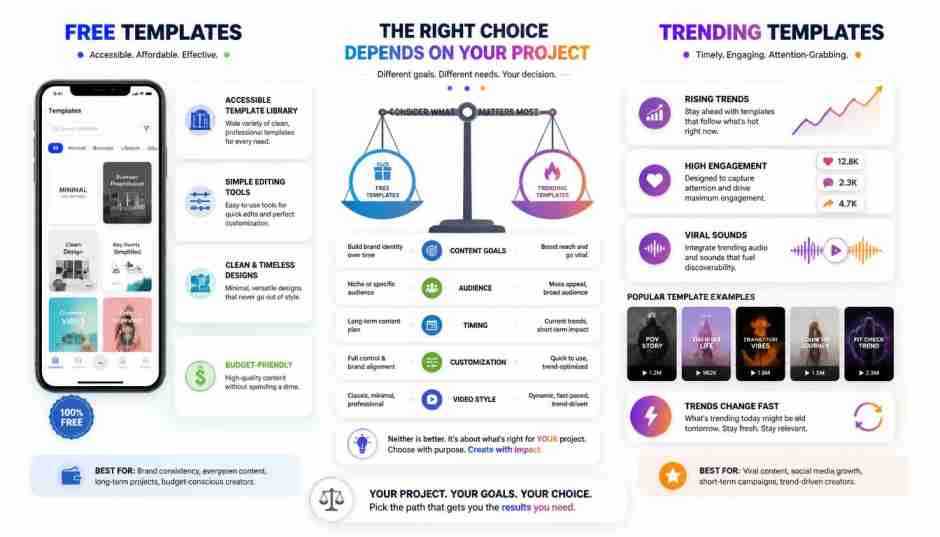
The better question isn’t whether a template is free or trending. It’s what the template allows you to accomplish.
When capcut Free Templates Are More Than
CapCut free templates are often all a beginner needs.
Many free designs already provide the elements of a polished short-form video: transitions, timing, text animation, music synchronization and visual effects. If you’re creating Reels, personal videos, photo montages or simple social media posts paying for additional features may not provide a meaningful improvement.
Free templates can also be useful when you’re still developing your editing style. They give you an opportunity to experiment with pacing and visual approaches without committing to a complicated workflow.
The key is not to judge a template by its price.
A designed free template can produce a better video than a premium-looking design that doesn’t fit your footage.
When Trending capcut Templates Make Sense
A trending template serves a different purpose.
If you’re creating content specifically to participate in a social media trend using a popular format can make your video feel timely. This can be particularly useful for creators who depend on short-form platforms for exposure.
However trends have a lifespan.
A template can become popular quickly because of a song, meme, transition or visual format. Once audiences have seen the structure repeatedly its novelty naturally starts to decline.
That’s why timing matters.
If you’re going to use trending CapCut templates don’t wait until everyone has already moved on to the trend. At the time don’t publish something simply because its popular if it has nothing to do with your content.
Popularity Isn’t the Same as Quality
This is one of the mistakes to make when choosing a template.
A template with millions of uses has clearly attracted attention. Those numbers don’t tell you whether it will work for your particular project.
Imagine you’re creating a product demonstration. A popular template built around rapid photo changes may be entertaining but it could leave viewers with too little time to understand the product.
A simpler design might perform better because it gives your message room to breathe.
New capcut Templates Can Give You an Advantage
There is also an opportunity in discovering best CapCut templates before they become heavily used.
A newer template may offer the energy of a current trend without the problem of extreme saturation. If the underlying editing style starts gaining popularity early users can benefit from having a format that still feels fresh.
There is a trade-off.
A new template hasn’t necessarily been tested by a number of creators. It may contain transitions require footage that is difficult to reproduce or simply fail to work well with your type of content.
That’s why experimentation is important.
Try templates but keep the designs that actually produce better videos.
Don’t Confuse Premium With Professional
Another common assumption is that paid or premium templates automatically produce professional results.
They don’t.
Looking content comes from good footage, appropriate pacing, readable typography, balanced audio, thoughtful editing and a clear message. A premium template can provide tools but it can’t replace those fundamentals.
This is particularly important for beginners who spend much time searching for an expensive or exclusive design when a simple CapCut free template could accomplish the same goal.
Your audience doesn’t know—. Care—whether you paid for the template.
They care about whether the video’s worth watching.
A Simple Decision Framework
When you’re deciding between options consider the purpose of the video first.
If you’re creating a montage and want something quick a free template may be enough. If you’re deliberately participating in a trend a trending design could make sense. If you want your content to feel different from whats everywhere experimenting with a newer or less-used template may be the better route.
You can also combine these approaches.
For example you might take a trending editing structure. Recreate its feel using a less-used free template. Then customize the colors, footage, typography and music so the final video doesn’t look like a copy.
The Best Choice Depends on Your Goal
There isn’t a winner between free, trending and new templates.
Ultimately, the best CapCut templates are the ones that match your content goal rather than simply having the highest number of uses.
Free templates are excellent for accessibility and experimentation. Trending templates can help you participate in formats. New templates can provide opportunities for visual ideas before they become saturated.
The smartest creators use all three when
Of asking, “Which template is the most popular?” ask a more useful question:
“Which template gives my content the best chance of communicating its idea clearly and creatively?”
Once you start choosing templates based on that question finding the best CapCut templates becomes much less about chasing numbers and much more about making better videos.
How to Spot a High-Quality CapCut Template Before You Use It
Not every template that looks impressive in a preview deserves a place in your editing workflow. Some are beautifully. Difficult to customize while others look simple at first and turn out to be surprisingly flexible once you start working with them.
Learning to evaluate a template before committing to it can save you a lot of editing time.
1. Look at the Structure Behind the Visuals
Understanding this structure makes it much easier to separate average designs from the best CapCut templates.
Watch the preview more than once. The first viewing gives you an impression of the style but the second lets you pay attention to timing, transitions, text and the way individual clips are arranged.
A strong template usually has a visual rhythm. The transitions don’t feel random. Each scene seems to have a purpose.
If the template changes clips simply because an effect is available that’s a warning sign. Good editing should guide attention than constantly compete for it.
2. Check Whether the Timing Fits Real Footage
This is particularly important with moving CapCut trending templates.A preview may use selected clips that match every transition. Your own footage won’t necessarily behave the way.
Imagine a template that changes scenes every second. If you’re planning to use it with talking-head footage that pace may make your message difficult to follow. On the hand the same timing could be excellent for a fashion montage or sports highlight.
Before choosing a template imagine your clips inside it.
If you can already see where your footage will feel awkward move on.
3. Pay Attention to Text Placement
Text is often overlooked when people evaluate templates.
Look at where captions and titles appear and whether they remain readable against backgrounds. A stylish text animation isn’t useful if it covers someones face or disappears into a section of the footage.
Templates with text positioning are generally easier to adapt.
This becomes more important for educational and promotional content, where viewers may need to read several words rather than simply glance at a short title.
4. Consider How Customization You Get
Two templates can look almost identical in the preview but provide very different levels of control.
One may allow you to change the text, music, clips and colors. Another may lock most of the design into a fixed structure.
If you’re creating content, limited customization may not matter.. If you’re building a consistent visual identity flexibility becomes much more valuable.
Flexibility is one of the reasons the best CapCut templates remain useful even when you’re creating different types of videos.
A template should give you control to make the final result feel personal.
5. Check the Number of Required Clips
Before selecting a template consider how material it needs.
If a template requires 20 clips and you only have six shots you’ll probably end up adding weak footage simply to fill the placeholders.
That can make the final video less engaging.
Conversely a template with three or four slots may not provide enough room for a story that needs several scenes.
The number of placeholders should make sense for the project you’re actually creating.
6. Look for Templates That Age Well
Some designs are closely tied to a trend. Others have a style that remains useful long after the original trend disappears.
There’s value in both.
If your goal is to participate in a trend a highly recognizable format can be useful.. If you’re building a long-term content library templates, with clean transitions, balanced typography and relatively timeless design elements are often a better investment of your time.
This is one reason you shouldn’t automatically replace your templates every time new CapCut templates appear.
A good template can remain useful for months if its structure is adaptable.
7. Don’t Ignore Audio
The visual preview may be the thing you notice but audio can determine whether a template actually works for your content.
Listen to the soundtrack. Pay attention to where the major beats occur.
If the template is very connected to a song changing the music might mean you have to think again about when things happen. That’s okay if you are okay with making changes. It can get annoying if you hoped for a fast edit.
For videos where someone is talking also think about whether the template gives room for voice-over or talking.
8. Test Before Making the Whole Video
One of the things you can do is make a quick test version.
Don’t start by spending an hour finding and getting every clip ready. Start with two or three clips and see how they work inside the template.
If it looks good keep going.
If the clips don’t fit well the changes don’t. The speed doesn’t match what you want stop using the template early.
Five minutes of testing can save you an hour of editing.
9. A Good Template Should Make Editing Easier
In the end, the best CapCut templates should reduce your workload rather than create additional editing problems.
If you are spending time fighting with the template than you would have spent editing the video on your own it’s probably not the right choice.
The best CapCut templates should give you a base while letting you add your own ideas.
Once you learn to look at templates based on structure, timing, how much you can change them what kind of footage they. What they are for you stop choosing designs just because they look good in a preview.
If a template creates more work than it removes, it probably isn’t one of the best CapCut templates for your workflow.
From Template to Finished Video: A Better CapCut Way of Working
Finding a template is just one part of the editing process. The real benefit comes from what you do after you pick it.
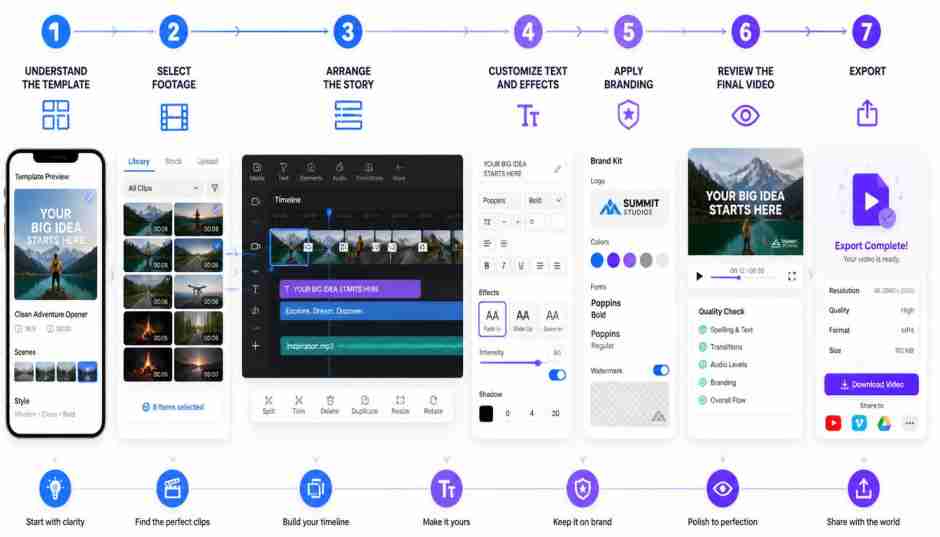
A common mistake is opening a template filling every spot with random clips and exporting as soon as the preview looks okay. That way is fast. It often leads to videos that feel the same as many others.
A better way is to separate choosing telling a story changing things and checking it again. You don’t need an editing system. You just need to make the choices in the right order.
Templates can speed up your editing, but combining them with CapCut keyboard shortcuts can make your workflow even faster, especially when you’re working with multiple clips and frequent timeline adjustments.
Start by Knowing the Template
Before you bring in your footage watch the template from start to finish.
Look at how it goes and find the parts that have the most visual power. Maybe the start is meant for a first shot the middle has several quick changes and the end is for the most important image.
Once you understand this shape you can choose footage on purpose of trying to fit clips into empty spots.
This is especially helpful when using CapCut templates because their fast speed can make bad choices obvious right away.
Pick Your Footage Before Editing
If looking through your phone while you work on each empty spot make a small group of your best clips first. This simple preparation step helps you get much more from the best CapCut templates.
You don’t need options. A focused group is easier to use.
Think about what each clip should do. An opening shot should set the scene. A close-up can show details. A wider shot can give space. A final clip can leave a lasting impression.
Once you think about clips this way the template becomes much easier to use.
Let the Story Decide the Order
A pretty sequence can still feel disconnected if the clips don’t tell a story.
Imagine making a video about a restaurant. Showing the entrance the dining area, the food being made the final dish and the customers reaction creates a flow. Mixing those scenes randomly might look nice. The viewer has less reason to keep watching.
When using CapCut free templates you can make a better result just by putting clips in a logical order.
The template gives the rhythm. Your footage gives the story.
Change Things Before Adding More Effects
Once the clips are in place move on to the parts that make the video yours.
Change the text first. Then think about the font, colors, music and brand. If the template already has movement avoid adding more effects.
This is where being careful is helpful.
A video doesn’t become more professional every time you add another animation. In cases removing extra effects makes it cleaner.
Make the Template Match Your Brand
Even when you’re using the best CapCut templates, your finished video should still reflect your own brand.
You might use the font, same caption style, same logo position or same color scheme.
The template can change from video to video. Those repeating parts create a feeling of familiarity.
This also means you don’t have to give up your style when you find CapCut templates. Instead fit the design into your existing look.
Watch the Video Without Editing
After making your changes watch the video from start to finish without touching the editing screen.
This is surprisingly helpful.
When you’re always editing your brain focuses on each clip and change. Watching the sequence without making changes lets you see it more like a regular viewer would.
Ask yourself if the start is interesting if any part feels too slow if the text is easy to read and if the end feels complete.
If something feels off go back. Fix it.
Check the First Seconds Carefully
The start needs special attention because viewers decide quickly if they want to watch.
A nice template doesn’t automatically create an opening.
Your first scene should give viewers a reason to keep watching. That could be an image, a direct question, something unexpected a bold statement or just the best moment from the footage.
Sometimes the easiest fix is moving your clip from the middle of the video to the beginning.
Don’t Forget the Last Frame
Creators often focus most on the start and middle of a video and treat the end like an afterthought.
A strong ending can leave the viewer with a message.
Depending on your video that might be the shot, a memorable moment the end of the story your brand name or a simple call to action.
The ending doesn’t need to be complicated. It just needs to feel like it was meant to be
Export After the Final Check
Before you export watch the video one more time.
Look for problems like wrong text, missing clips, sudden changes in sound awkward cuts or transitions that don’t match the footage.
Then check the export settings for the platform you are using.
The goal is simple: don’t let a mistake ruin an edit.
A Template Should Save Time Not Take Away Thinking
The real power of the CapCut templates comes from combining automation with your own judgment.Let the template handle things like when transitions happen and how animations work.
You handle the choices: which footage matters what story you are telling, what viewers should notice and how the final video should feel.That’s the balance that turns a made template into real help for editing, not just another form of average content.
How to Keep Your CapCut Videos New Without Giving Up Templates
Using templates often can make editing faster. There is a point where convenience can turn into repetition. If every video uses the transitions, speed, text animations and music style your audience might start to feel like they have seen the video before—even when the footage is completely new.
Starting with the purpose of your video makes it easier to narrow down the best CapCut templates for the occasion.
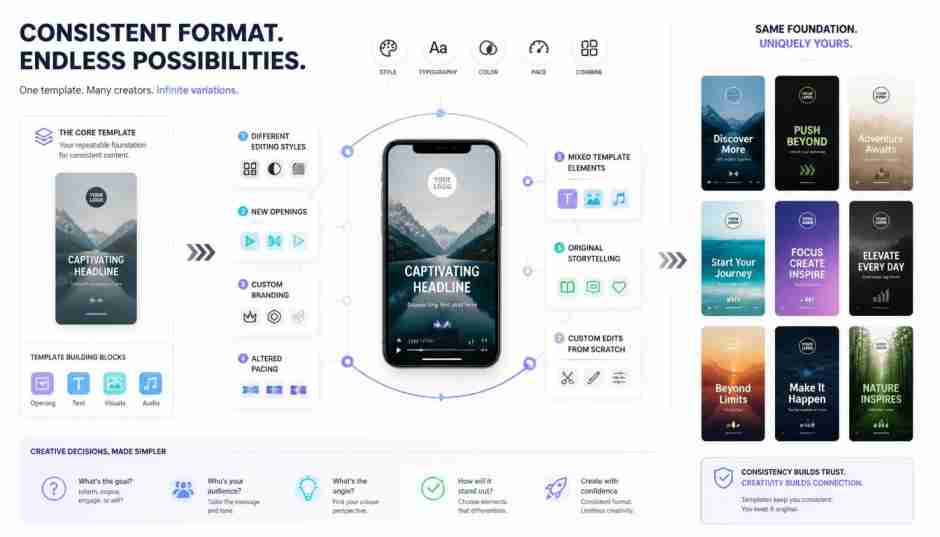
The answer isn’t to stop using templates. It’s to change how you use them.
Switch Your Editing Styles
Rotating between the best CapCut templates can prevent your content from developing a repetitive visual pattern.
For example a creator might use a style for storytelling a fast beat-based style for quick highlights and a clean text-based style for educational videos.
The videos still look like part of the brand but they don’t all feel the same.
This is where having new CapCut templates can help. Of changing your whole way of working every time a new trend comes out bring in one or two new designs into your usual styles.
Change the Story, Not the Template
One of the easiest ways to make videos using the best CapCut templates feel the same is to focus too much on just the looks.
A different transition doesn’t automatically make a video more original.
Your story should change too.
If you have already made several videos using a “day in my life” format think about what your audience could learn from the same topic. You might make the next video a behind-the-scenes look, a guide, a comparison or a mistake-and-solution style.
The template then becomes the part for a completely new idea.
Try Something with the Start
The start is one of the easiest parts of the best CapCut templates to customize and make your own.
Of using the first spot exactly as it is think about whether your best image or most interesting message should go there.
A template might start with an establishing shot. Your audience might like it better if you start with the final result and then explain how you got there.
This small change can make a familiar template feel less same.
Use Your Own Look
Your own branding can make the best CapCut templates feel much more distinctive.
That doesn’t mean putting a logo on every frame.
Small choices can be enough: a way of writing captions, a consistent font, a repeating color, a special opening animation or even the way you write on-screen text.
Over time these details become part of your style.
Then when you use CapCut popular templates people can still tell it’s, from you.
Mix Template Parts
You don’t have to use the best CapCut templates exactly as they were made; you can customize them to match your own style and content.
You can get ideas from one templates way of moving from one scene to another. Mix it with another templates way of showing text. You could use a template for the part of your video but make your own ending.. You could take away some effects and just keep the timing part.
This way of working needs a bit editing but it allows you to have much more control over your creativity.
Of asking, “Which template should I use?” you are really asking, “Which parts of these templates are helpful for my video?”
That is a much more flexible way of working.
Don’t Follow Every Trend
There will always be a song that is popular a new way of moving between scenes and a new set of trending CapCut templates waiting for your attention.
You don’t have to use all of the best CapCut templates; choose the ones that actually fit your content and editing style.
If a trend doesn’t fit your audience or your content not using it can actually make your videos stand out more.
Trends are best when they give you an idea you can change—not when they make you change your content every days.
Know When to Start From Scratch
Templates are strong but there are times when making your edit is the better choice.
If your video has a lot of talking has a way of being put together needs clear storytelling or needs a very specific way of showing your brand, a ready-made template may not be the best choice.
Don’t use a template just because one is there. The point of templates is to make the right projects easier—not to make every project the same.
Build a Personal Template Rotation
A useful way to organize the best CapCut templates is to divide them into three groups based on your editing needs.
Your first group can be templates you already know work well. These are your choices when you need to make something quickly.
The second group can be designs you have found recently. You are not sure if they will become part of your process.
The third group can be templates that are connected to seasons or trends that’re useful for special times.
This gives you a balance of being consistent and having variety.
Originality Comes From Choices
In the end, originality does not come from finding the best CapCut templates that no one else has used; it comes from how you make them your own.
It comes from what you do with the tools you have.
Many creators can download the template and make completely different videos because they have different videos, ideas, personalities, stories and audiences.
That’s why the best CapCut templates are not always the ones that’re rare.
They are the ones that give you structure to work quickly while still allowing you space to make your own choices.
When you learn to change that structure of just filling in the empty spots templates stop making your videos feel the same and start becoming part of your own style.
How to Find CapCut Templates for Specific Trends and Events
Not every video needs the kind of template. A design that works for a video might not be right for a holiday a product launch, a celebration or a big social media trend. This is where knowing how to look for templates based on the event and the purpose of the video is more helpful than looking at the most popular ones.
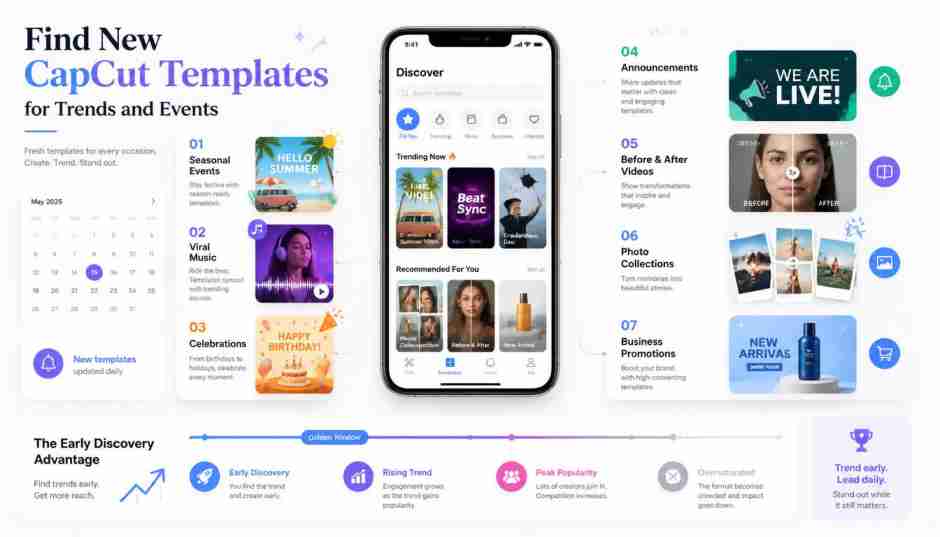
CapCuts template system changes a lot so there are usually designs made for times, popular songs, celebrations and new types of content. The challenge is finding them while they are still useful.
Seasonal Templates
Seasonal videos offer chances to use templates.
During times like New Year, Valentines Day, Eid, Ramadan, Halloween, Christmas, graduation time or summer holidays creators often share templates that are made around the event. These might have text animations, colors, transitions, music or visual effects.
The benefit of using a template is that you don’t have to explain the idea from the start. The visual style immediately tells viewers what the video is about.
For example a simple group of family pictures can become a greeting with the right template. A group of graduation pictures can be turned into an emotional video without building the whole timeline from scratch.
The key is timing. Seasonal templates don’t last long so they work best when used around the event than weeks after.
Templates for Popular Songs
Music is one of the reasons why certain CapCut templates become popular.
When a song becomes popular creators often make templates around the recognizable parts. The transitions match the beats the lyrics, the drops or changes in the music.
If you want to be part of a music-based trend don’t just pick the template you see. Look at how the template uses the sound.
A good template makes the important parts of the song look meaningful. If the transitions are random or the pictures change fast the trend might not add much to your video.
Templates for Special Messages
Templates can also work well for messages like birthdays, engagements, new products, business launches, sales or big personal events.
These videos usually need a message rather than a lot of effects.
A good message template should give your headline space and make the important information easy to read. If the design is too busy viewers might remember the animation. Miss the message.
For this type of content simple free CapCut templates can often be very useful because they give structure without making the message hard to see.
Templates for Before-and-After Videos
Before-and-after videos are naturally good for templates because the format already has a way of showing change.
You can use them for:
- Room makeovers
- Fitness changes
- Photo editing
- Hair and fashion changes
- Product improvements
- Design projects
- Cleaning and organizing
The important thing is to make the difference clear. Your start should show the situation and the end should give the viewer a satisfying reveal.
A template that builds up to the change can make this kind of video much more interesting.
Templates for Photo Collections
Not every video needs video footage.
If you have a collection of pictures templates can turn them into a video without needing a lot of work.
This works well for travel memories, birthdays, weddings, family events, portfolios and personal moments.
When looking for CapCut templates for picture-based videos watch how long each picture is shown. Some designs show pictures quickly for viewers to see them.
A slower template might actually work better even if it is not currently popular.
Templates for Business Ads
Businesses can use occasion-based templates to make ads.
A restaurant might use a design to promote a special menu. A clothing brand could use a template for a new collection. A local business might use a holiday design to announce a time offer.
The template gives the look but the message still needs to be clear.
Change the text to your real offer use real product pictures and use your brand colors and fonts as much as possible.
This turns a made template into branded content instead of another generic post.
Search for the best capcut templates You Want to Make
One of the habits is thinking about what your video is for before looking for a template.
Of opening CapCut and scrolling for a long time start with a clear idea:
- “I need a template for a graduation video.”
- “I want a way to show a product.”
- “I need a look for a travel video.”
- “I want to show a before-and-after change.”
This gives you a clearer direction.
It also stops you from picking a template just because the preview looks good.
Don’t Wait Until the Trend is Over
If you are making trend-based videos timing is important.
When a template is everywhere you are competing with lots of videos that use the format. Finding a design earlier gives you more time to try before it gets too common.
That’s why it’s worth checking out CapCut templates often even if you don’t have a video ready to publish.
You may find an editing style today that is useful for your content tomorrow.
Use Trends as a Help
The real benefit of trend-based templates is not that they guarantee views. A trend can help you discover some of 🔵 the best CapCut templates for a particular style of content.
Your job is to bring something into that style.
Use your footage. Change the message. Adjust the speed. Add your personality. Link the trend to your area.
That is how you benefit from a trend without making something that looks like others.
The best way to use templates is not to chase every design. It is to see which trends are important for your audience and know how to change them before they get overused.
Final Thoughts on finding the best capcut templates
Finding the Best CapCut templates is not really about finding one perfect design. It is, about knowing how to choose a template that fits your videos your message, your audience and the platform you are using.
A template can save you a lot of time. The template itself is not what makes a video good. The best results come from the choices you make after you pick it. Choosing videos changing the text adjusting the speed using your own brand and removing extra effects can turn a common template into something that feels much more unique.
Trends can also be useful. They shouldn’t control your whole content plan. CapCut popular templates can help you be part of styles while new CapCut templates can give your content a fresher look before a style becomes too common. At the time free CapCut templates can give you everything you need for many types of videos without needing a complicated setup.
The important thing is to pick based on what you need instead of what is popular. A movie style template might be great for vacation videos. Not good for a lesson. A beat synced design could be perfect for a gym video but hard to follow for a company meeting.
Of scrolling forever in CapCut looking for something cool start with your idea. Figure out what the video needs to say look at the kind of video you have and then find a template that helps with that goal. After that change it enough so the final video feels like your own.
That is what makes a template useful.
It should help you start faster—not control the creative process.
As you try designs you will eventually have your own set of trusted templates spot new styles faster and create a way of working that lets you make nice videos without starting from nothing every time.
The best template is not always the one everyone is using.
It is the one that helps you share your story better. Once you understand your content, audience, and editing style, finding the best CapCut templates becomes much easier.